
What Do the Demons in the 1863 Dictionnaire Infernal Represent?
What Do the Demons in the 1863 Dictionnaire Infernal Represent?
The engravings in the 1863 Dictionnaire Infernal are more than gothic curiosities. Each figure embodies a moral allegory — Victorian attempts to visualize human vice, anxiety, and excess.
Originally compiled by French writer Jacques Collin de Plancy and illustrated by Louis Le Breton, the book attempted to catalog infernal hierarchies with scholarly precision. Today, these Victorian gothic engravings are appreciated less as theology and more as extraordinary historical illustration.

If you're unfamiliar with the book itself, our guide explaining what the Dictionnaire Infernal is explores the history of this remarkable nineteenth-century encyclopedia.
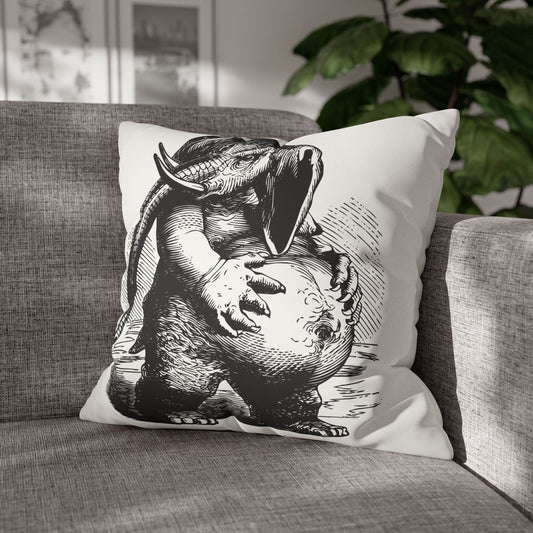
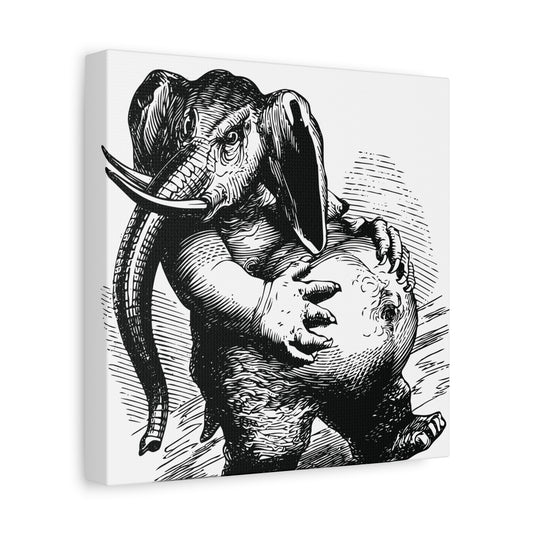
Behemoth — Indulgence Made Visible
Often depicted as elephantine and corpulent, Behemoth represents gluttony and excess. In Louis Le Breton’s engraving, the figure clutches his distended belly with theatrical seriousness — absurd, almost sympathetic.
Victorian demonology often used exaggerated bodies to symbolize human appetite. In modern interiors, this allegory reads less as warning and more as ironic commentary on indulgence.

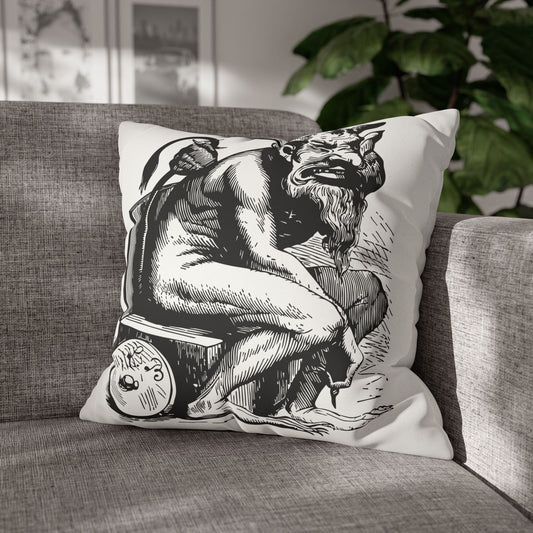
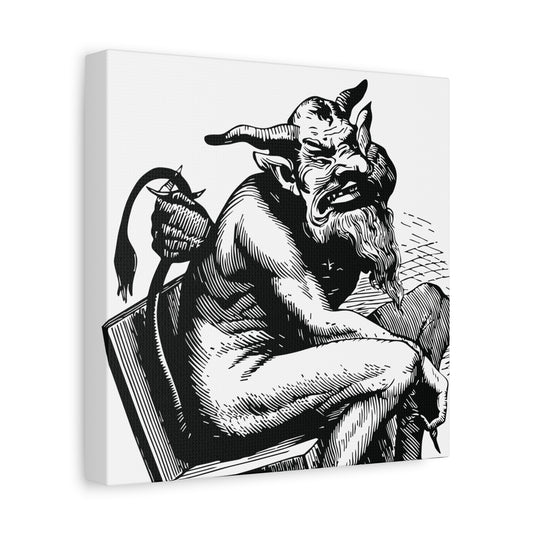
Belphégor — The Demon of Sloth
Belphégor is associated with idleness and inventive procrastination. In the engraving, he appears seated and deeply absorbed — almost comically human.
Today the image resonates as academic burnout, existential fatigue, or dry commentary on productivity culture. The scene’s unexpected humor is one reason the illustration feels surprisingly modern.

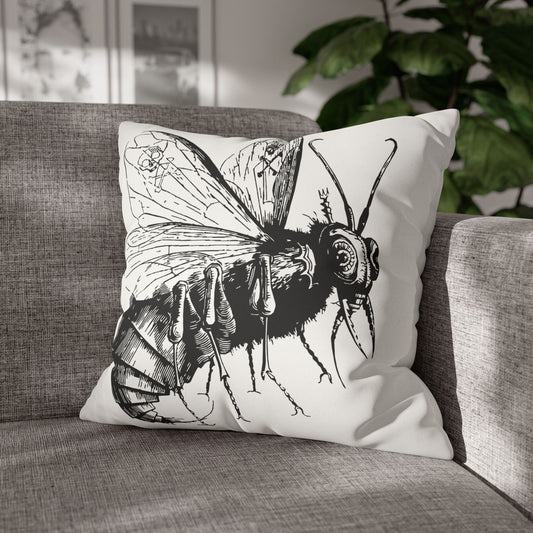
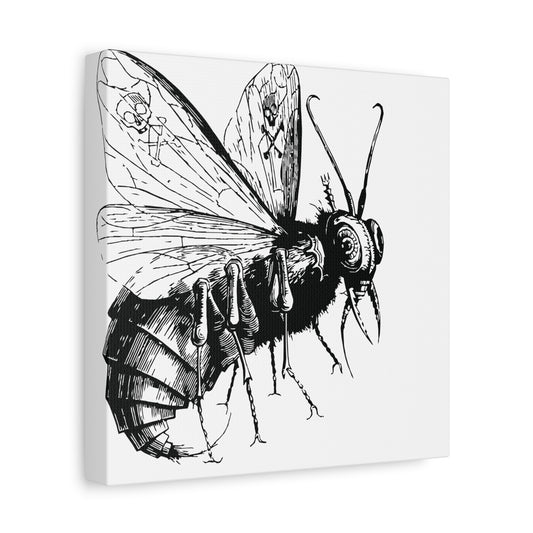
Belzebuth — The Lord of the Flies
Rendered in insect form, Belzebuth represents corruption and decay. Yet Louis Le Breton’s engraving feels almost scientific, resembling an anatomical specimen more than a supernatural monster.
This tension between taxonomy and mythology makes the image visually compelling, particularly in museum-inspired interiors and dark academia aesthetics.

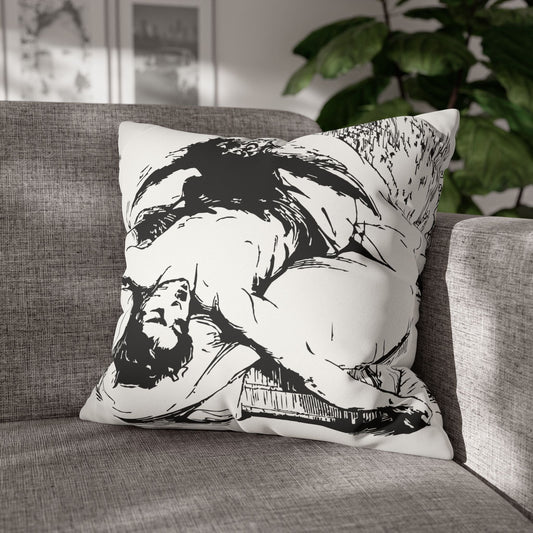
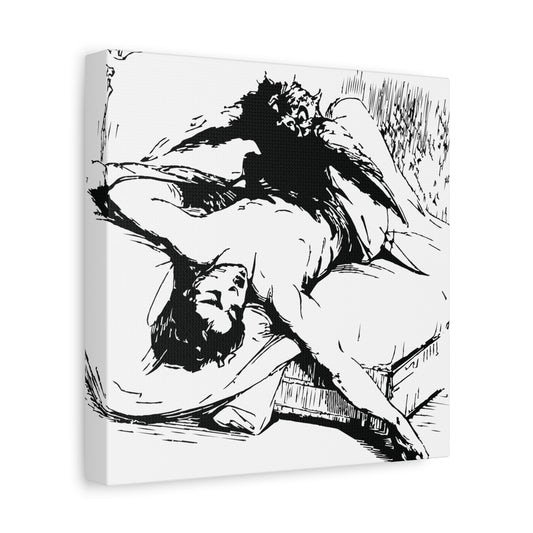
Ephialtes — The Nightmare Figure
Associated with sleep paralysis and nighttime terror, Ephialtes embodies psychological disturbance. The engraving depicts the figure perched upon a sleeping victim, transforming anxiety into allegorical imagery.
In modern interpretation, the illustration becomes less frightening and more atmospheric — a study in Victorian storytelling through engraving.

Victorian Allegory Through Illustration
Taken together, these figures reveal how nineteenth-century culture visualized moral ideas through art. Appetite, sloth, anxiety, and corruption were transformed into theatrical archetypes rendered with meticulous engraving technique.


Today these images are appreciated as historic examples of Victorian gothic illustration and antique engraving art.
Explore how these allegorical figures appear in modern decor within our Dictionnaire Infernal 1863 Collection.