
What Is the Dictionnaire?
What Is the Dictionnaire Infernal (1863)? Victorian Demonology Explained

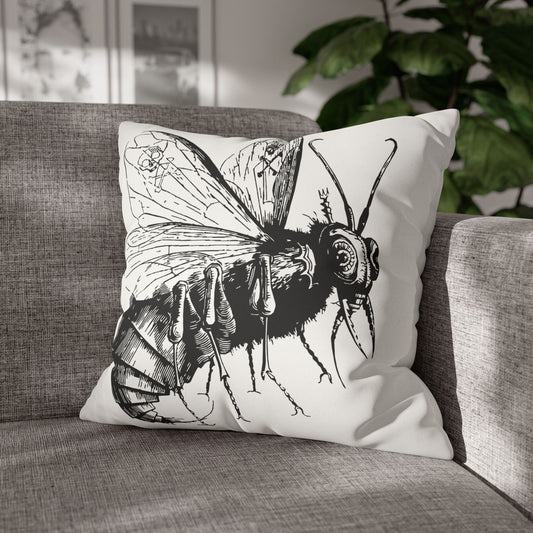
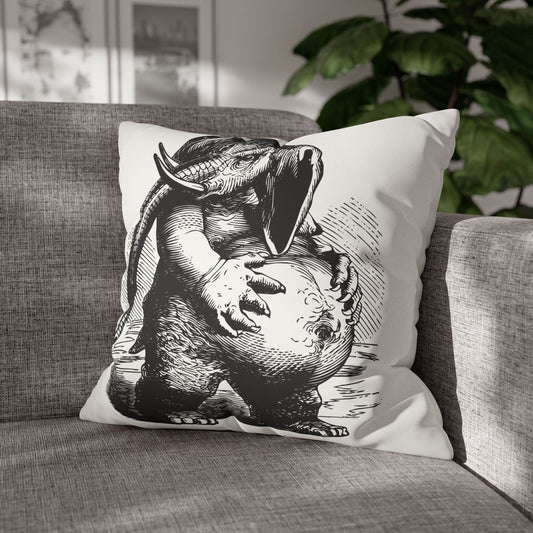
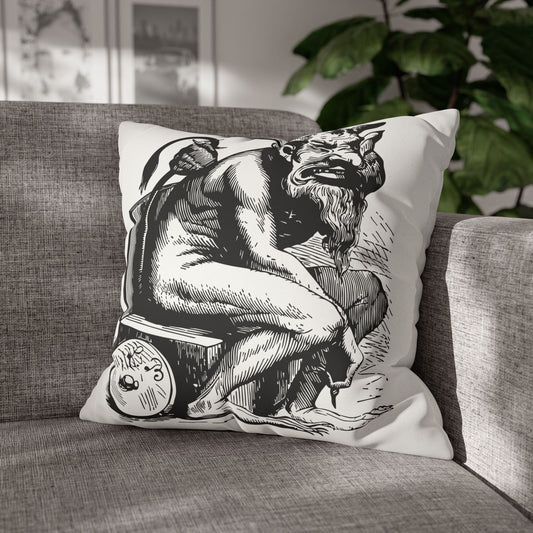
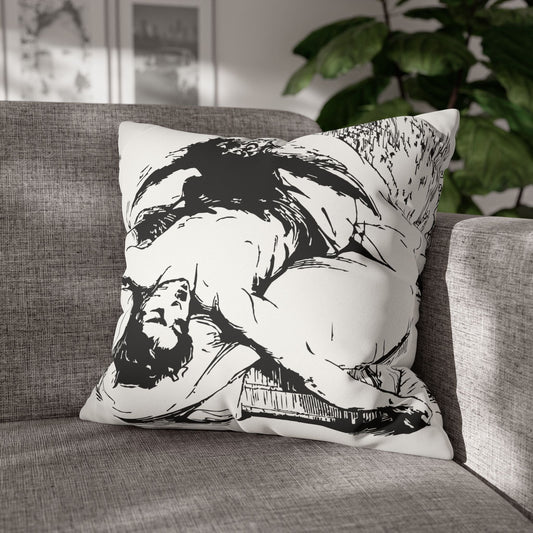
The Dictionnaire Infernal is one of the most visually striking encyclopedias of the nineteenth century. Originally compiled by French author Jacques Collin de Plancy, the 1863 edition became especially famous for its dramatic gothic engravings by illustrator Louis Le Breton.
Part theological catalog, part cultural document, and part artistic archive, the book attempted to classify demons, infernal hierarchies, and supernatural lore with an almost academic seriousness. Today, however, it is remembered less for religious warning and more for its extraordinary Victorian gothic illustration.
Many of these figures were intended to represent symbolic human vices. You can explore the meaning behind each engraving in our guide to the demons of the 1863 Dictionnaire Infernal.
The 1863 Edition: Why It Matters
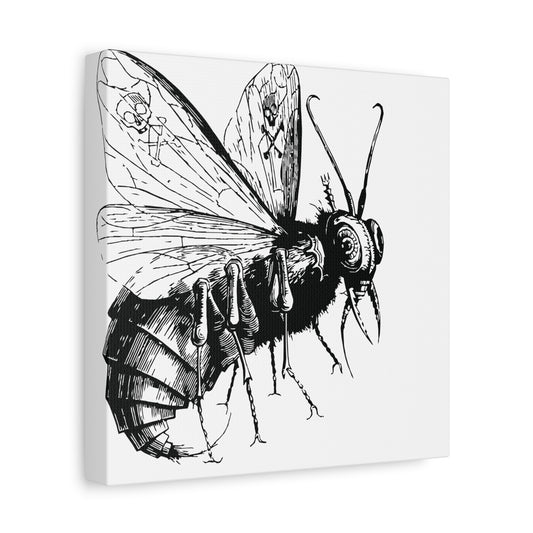
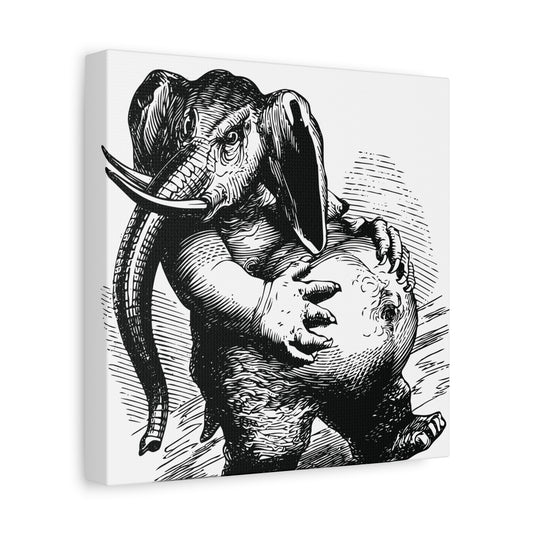
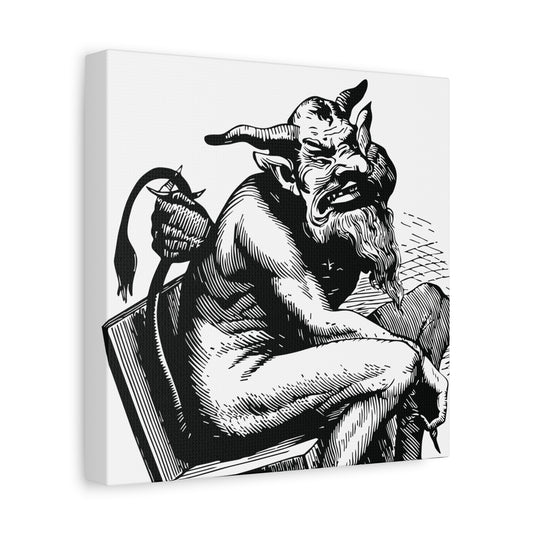
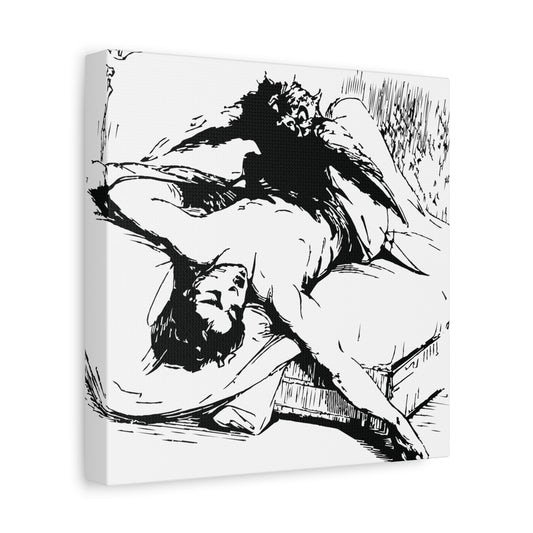
While earlier editions existed, the 1863 publication transformed the book’s legacy. Louis Le Breton’s engravings gave physical form to abstract fears: gluttony, sloth, nightmare, corruption, indulgence. Rather than chaotic fantasy, these figures were rendered with compositional discipline and engraving precision.
The result is something unexpectedly modern — stark black-and-white illustration that feels at home in museum collections and dark academia interiors alike.
Who Was Louis Le Breton?
Louis Le Breton was a nineteenth-century French illustrator known for maritime scenes and historical illustration. His contribution to the Dictionnaire Infernal demonstrates the Victorian fascination with categorization — even of the infernal.
The engravings read less like superstition and more like specimen plates from an occult encyclopedia.
Victorian Demonology as Allegory
Each figure in the 1863 edition functions symbolically:
- Behemoth — appetite, indulgence, excess
- Belphégor — sloth, idleness, inventive procrastination
- Belzebuth — decay, corruption, invasive influence
- Ephialtes — nightmare, psychological unrest
Removed from literal belief, these illustrations operate as allegorical studies — theatrical, ironic, and strikingly composed.
Why the Dictionnaire Infernal Feels Modern Today
Minimal linework. High contrast. Strong silhouette. These engravings align naturally with contemporary interior trends such as dark academia, museum-core styling, and literary minimalism.
What was once a religious warning now reads as historical art — refined, intellectual, and unexpectedly versatile.


Reinterpreting the 1863 Engravings for Modern Interiors
At Geekists, we revisit these Victorian gothic engravings not as shock imagery, but as historical illustration. Preserving their dramatic composition while presenting them through a restrained lens allows the artwork to function as:


- Statement canvas prints
- Subtly ironic throw pillows
- Academic home accents
- Art history nerd gifts
Explore the full Dictionnaire Infernal 1863 Collection to see how nineteenth-century French demonology illustration translates into contemporary decor.